Sandy Hook Elementary School Shooting Survivors
The Sandy Hook Elementary School shooting on December 14, 2012, remains one of the deadliest school shootings in United States history. The attack at Sandy Hook Elementary School in Newtown, Connecticut, claimed the lives of 20 first-grade children and six educators before the gunman died by suicide as law enforcement officers arrived.
While much attention has focused on those who lost their lives, the experiences of the survivors—students, teachers, school staff, first responders, and families—continue to shape conversations about trauma, healing, and school safety.
What Happened at Sandy Hook?
On the morning of December 14, 2012, a 20-year-old gunman entered Sandy Hook Elementary School after killing his mother at their home earlier that day.
Inside the school, he carried out a mass shooting that lasted only a few minutes. Police and emergency responders arrived quickly, but the attack had already ended.
The tragedy shocked communities across the United States and around the world, prompting renewed discussions about school security, mental health, and firearm policy.
Who Survived the Sandy Hook Shooting?
Many people survived the attack, including:
- Students who escaped from classrooms.
- Teachers who protected children by locking doors and hiding students.
- School staff members who helped evacuate children.
- First responders who arrived at the scene.
- Parents and family members whose children survived.
Some classrooms were never reached by the gunman, while others were successfully secured by teachers following emergency procedures.
Life After the Tragedy
For many survivors, recovery has been a long and deeply personal journey.
In the years since the shooting, survivors have spoken about:
- Coping with post-traumatic stress.
- Returning to school in a new building.
- The importance of counseling and community support.
- Honoring classmates and teachers who lost their lives.
Mental health professionals note that recovery from traumatic events can take many years, with experiences varying significantly from person to person.
Survivors Who Have Shared Their Experiences
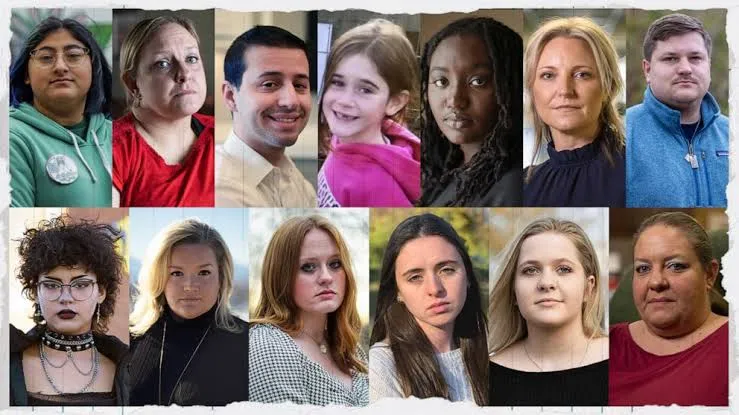
Some survivors have chosen to speak publicly about what they experienced in hopes of raising awareness about the lasting effects of gun violence.
Their stories often focus on:
- Remembering friends and teachers.
- Living with grief and trauma.
- Supporting one another through recovery.
- Advocating for safer schools and violence prevention.
Others have chosen to keep their experiences private, and many families have asked that their privacy continue to be respected.
The New Sandy Hook School
Following the tragedy, the original school building was demolished.
A new Sandy Hook Elementary School opened in 2016, featuring updated safety measures, secure entrances, and thoughtfully designed learning spaces intended to provide a supportive environment for students and staff.
Lasting Impact
The Sandy Hook shooting had a profound impact on the Newtown community and the nation.
In the years that followed:
- Schools across the country reviewed emergency response procedures.
- Many districts expanded access to student mental health services.
- The tragedy influenced ongoing national discussions about school safety and firearm policy.
- Community organizations and foundations were established to support affected families and promote violence prevention.
Frequently Asked Questions
How many people survived the Sandy Hook shooting?
Many students, teachers, staff members, and first responders survived the attack. While 26 victims inside the school were killed, numerous others escaped without physical injuries but were deeply affected by the trauma.
Do Sandy Hook survivors speak publicly?
Some survivors have shared their experiences through interviews, documentaries, public events, or advocacy work. Many others have chosen to keep their lives private.
Is Sandy Hook Elementary School still open?
Yes. A newly built Sandy Hook Elementary School opened in 2016 on the same site, replacing the original building.
What support was provided to survivors?
Survivors and families received counseling, mental health services, community support programs, and long-term assistance to help address the psychological effects of the tragedy.
Conclusion
More than a decade after the Sandy Hook Elementary School shooting, survivors continue to demonstrate resilience while remembering the classmates and educators who were lost. Their experiences underscore the long-term effects that traumatic events can have on individuals and communities, while also highlighting the importance of compassion, recovery, and ongoing support.